Google Drive to SharePoint: 4 Practical Ways to Transfer Files
Moving files from Google Drive to Microsoft SharePoint doesn’t have to be a slow or manual process. This guide walks through four reliable transfer methods—from simple browser uploads to fully automated cloud-to-cloud migration—helping you move data securely without unnecessary local downloads.
Introduction
As more teams adopt Microsoft 365, migrating data from Google Drive to SharePoint has become a common requirement. Whether you’re centralizing company documents, onboarding a new collaboration platform, or aligning with enterprise compliance policies, choosing the right migration approach matters. Some users only need to move a handful of folders, while others are dealing with years of shared files and permissions. In this guide, we’ll cover four proven ways to transfer files from Google Drive to SharePoint, ranging from basic browser-based uploads to more advanced tools like [Rclone](https://rclone.org/onedrive/) and fully cloud-hosted automation using [CloudsLinker](https://www.cloudslinker.com). Each method has its own strengths, so you can decide what fits your workflow and data size best.
Google Drive is Google’s cloud-based file storage platform, commonly used by individuals, schools, and teams to store and share documents online. A standard Google account includes 15 GB of free storage, which is shared with Gmail and Google Photos. Users who need more space can upgrade through Google One.
- Device flexibility: Access files from web browsers, Android, iOS, Windows, or macOS.
- Live collaboration: Multiple users can work on Docs, Sheets, and Slides at the same time.
- Service integration: Closely connected with Gmail, Google Workspace, and other Google tools.
- Automatic syncing: Keeps local folders and cloud files in sync across devices.
- Large file support: Individual files can reach up to 5 TB on supported plans.
Microsoft SharePoint is a document management and collaboration platform designed for organizations using Microsoft 365. It allows teams to store files in structured document libraries, control access permissions, and collaborate securely across departments and projects.
- Team-based storage: Files are organized by sites and libraries rather than personal folders.
- Microsoft 365 integration: Works seamlessly with OneDrive, Teams, Outlook, and Office apps.
- Advanced permissions: Fine-grained access control for users, groups, and external collaborators.
- Version history: Automatically tracks file changes and allows easy rollbacks.
- Enterprise compliance: Built-in support for auditing, retention policies, and data governance.
Before moving files from Google Drive to Microsoft SharePoint, it’s worth understanding how the two platforms differ. While both provide cloud storage, their design goals are not the same—Google Drive focuses on flexible, user-centric collaboration, whereas SharePoint is built around structured, organization-wide document management.
| Feature | Google Drive | Microsoft SharePoint |
|---|---|---|
| Free Storage | 15 GB shared across Gmail, Google Photos, and Drive | Depends on Microsoft 365 plan (storage allocated per tenant) |
| Platform Integration | Tightly integrated with Google Workspace and Android | Deep integration with Microsoft 365, Teams, and Windows |
| Collaboration | Real-time co-editing in Docs, Sheets, and Slides | Simultaneous editing in Word, Excel, and PowerPoint via SharePoint |
| Third-Party Integration | Broad ecosystem support (Slack, Zoom, Trello, and more) | Strong Microsoft-native ecosystem, fewer external extensions |
| File Size Limit | Up to 5 TB per file on supported plans | Up to 250 GB per file (subject to tenant configuration) |
| Security & Compliance | Encryption at rest and in transit, Google account-based security | Advanced compliance, retention policies, auditing, and access control |
Google Drive works well for flexible, cross-platform collaboration, especially in mixed-device environments. SharePoint, on the other hand, is better suited for teams that need structured document libraries, permission control, and enterprise-level governance within Microsoft 365.
Before starting the migration, it’s a good idea to review your current Google Drive usage. Take note of how much data you plan to move and how your folders are structured. This helps you decide whether a simple manual upload is enough or if a more controlled migration approach is needed.
On the SharePoint side, make sure you have access to the correct site and document libraries within your Microsoft 365 tenant. Verify that your account has sufficient permissions to upload files and create folders. You can manage this through the SharePoint admin center or by confirming access with your organization’s administrator.
A bit of preparation goes a long way. Remove outdated files from Google Drive, rename folders where necessary, and decide whether you’ll export data via Google Takeout, sync using Rclone, or rely on CloudsLinker for an automated cloud-to-cloud transfer. Planning ahead helps preserve your folder structure and reduces surprises once everything lands in SharePoint.
Method 1: Transfer Using a Web Browser
Step 1: Download Files from Google Drive
Start by opening the
Google Drive web
interface
and signing in to your account. Navigate to the files or folders you want to move to SharePoint. To
select
multiple items at once, hold Ctrl on Windows or Command on macOS while
clicking.
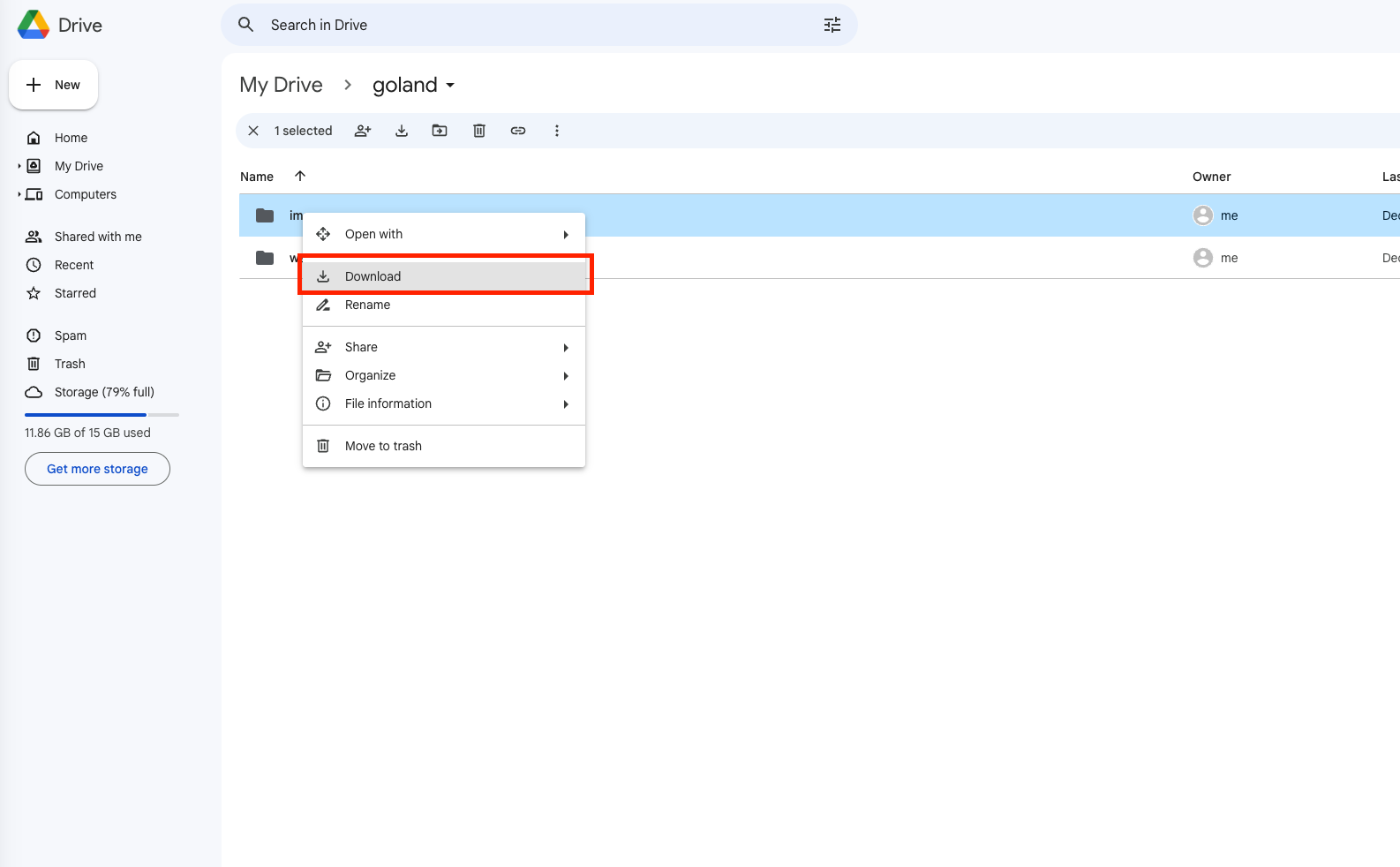
From the top menu or the right-click context menu, choose Download. Google Drive will bundle folders into ZIP archives automatically. After the download completes, extract the files on your computer so they’re ready for upload.
Step 2: Upload Files to SharePoint
Open your organization’s SharePoint site in a browser and sign in with your Microsoft 365 account. Navigate to the target document library where you want the files to live.
Click Upload and select Files or Folder, or simply drag and drop the extracted files directly into the library. You can recreate your original folder structure or adjust it to match how your team organizes content in SharePoint.
Browser-based transfers are best suited for small batches of files or occasional moves. If you’re dealing with a large Drive library or want to avoid manual downloads and uploads, tools like Rclone or a dedicated cloud-to-cloud transfer service are usually more efficient and less prone to interruption.
Method 2: Export with Google Takeout and Upload Manually
Step 1: Export Your Google Drive Data with Google Takeout
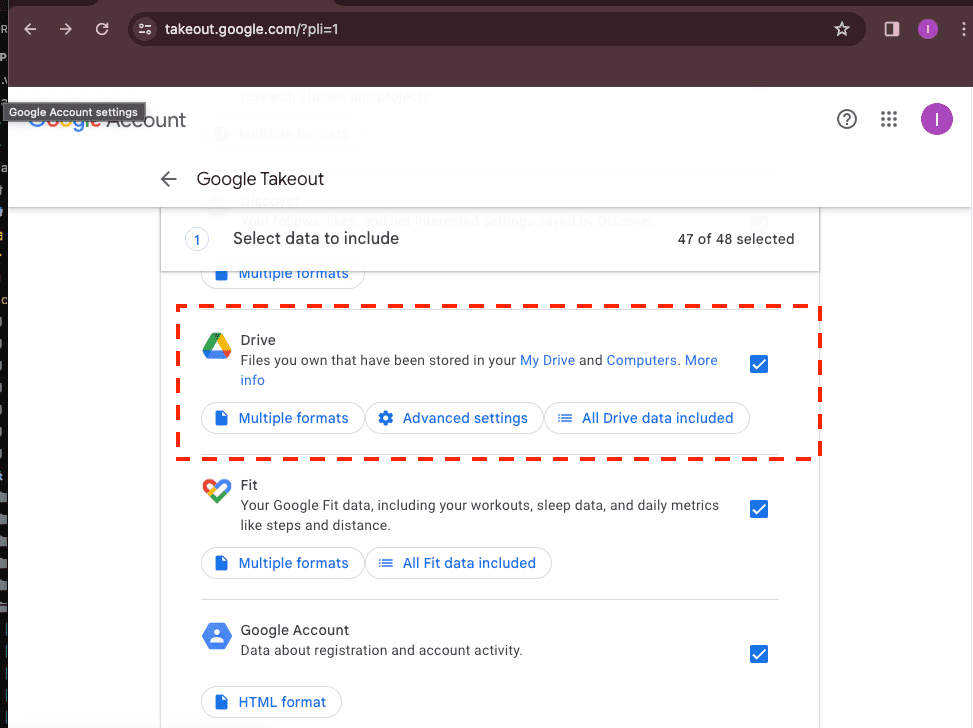
If you prefer to keep a local copy of your data before uploading it elsewhere, Google Takeout provides an official way to export files from Google Drive. After signing in, deselect all services and enable only Google Drive. You can choose to export everything or limit the export to specific folders.
Once the export is prepared, Google will generate one or more downloadable archives, usually in ZIP format. Depending on the size of your Drive, this process may take from a few minutes to several hours. When it’s ready, download the archive files to your computer and extract them locally.
Step 2: Upload the Exported Files to SharePoint
After extracting the Takeout archives, open your target SharePoint site in a web browser. Navigate to the document library where you want the files to live, then use the Upload option or drag and drop folders directly into the page.
This approach gives you full control over what gets uploaded and how folders are organized inside SharePoint. It’s especially useful when you need an offline backup or want to review files before moving them. However, for very large exports, the manual upload step can be time-consuming. In those cases, tools like Rclone or an automated service such as CloudsLinker are often more efficient.
Method 3: Command-Line Transfer with Rclone
Step 1: Install Rclone and Set Up Google Drive & SharePoint Remotes
If you’re comfortable working in a terminal, Rclone provides a powerful and scriptable way to move files between cloud platforms. It supports both Google Drive and Microsoft SharePoint (via the OneDrive backend).
Start by downloading Rclone from the
official downloads
page.
After installation, open your terminal (or Command Prompt on Windows) and run:
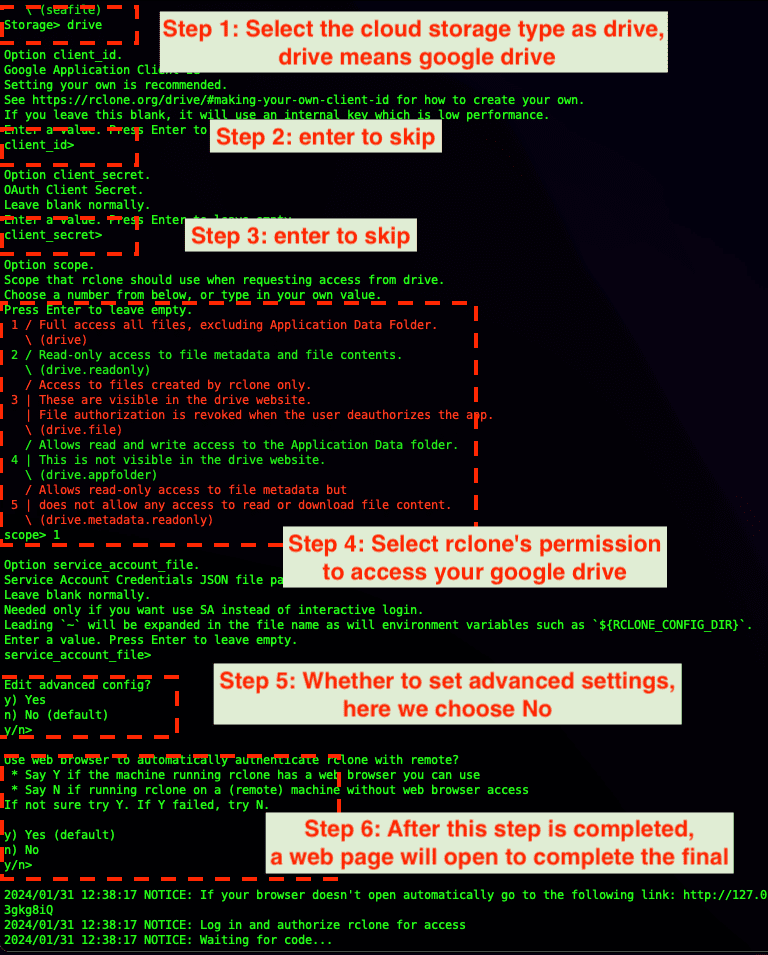
rclone config. This launches the interactive configuration wizard.
-
Google Drive remote: Choose
driveas the storage type. Rclone will open a browser window for Google OAuth authentication. Once completed, you’ll have a remote (for example,gdrive:) pointing to your Drive files. -
SharePoint remote: Select
onedriveas the backend. During setup, choose SharePoint when prompted for the account type, then authenticate with your Microsoft 365 account. Rclone will list available SharePoint sites and document libraries so you can select the correct one. Detailed options are documented in the OneDrive & SharePoint backend guide.
Step 2: Run the Transfer Command
With both remotes configured, you can begin transferring data. For example:
rclone copy gdrive:/Projects sharepoint:/SharedDocuments/Projects --progressrclone sync gdrive:/Archives sharepoint:/Archives --progress --exclude "*.tmp"
The first command copies files from the Projects folder in Google Drive into a
corresponding
document library path in SharePoint. The second command performs a one-way sync while excluding
temporary files.
Adding --dry-run is recommended if you want to preview changes before executing them.
This method is well suited for advanced users who need speed, filtering, or automation. Rclone allows bandwidth limits, detailed include/exclude rules, and scheduled jobs via cron or Task Scheduler. The trade-off is a more involved initial setup, especially when selecting the correct SharePoint site and library.
Method 4: Cloud-to-Cloud Transfer with CloudsLinker
Overview: Google Drive to SharePoint — No Downloads Required
CloudsLinker
allows you to transfer files directly between cloud platforms without downloading anything to your
computer.
Transfers run fully in the cloud and support 40+ cloud services, including
Google Drive and Microsoft SharePoint.
Step 1: Sign in and Add Google Drive
Visit app.cloudslinker.com and log in to your account. New users can register for free. From the dashboard, click “Add Cloud” and select Google Drive. You’ll be redirected to Google’s official authorization page to grant access securely.
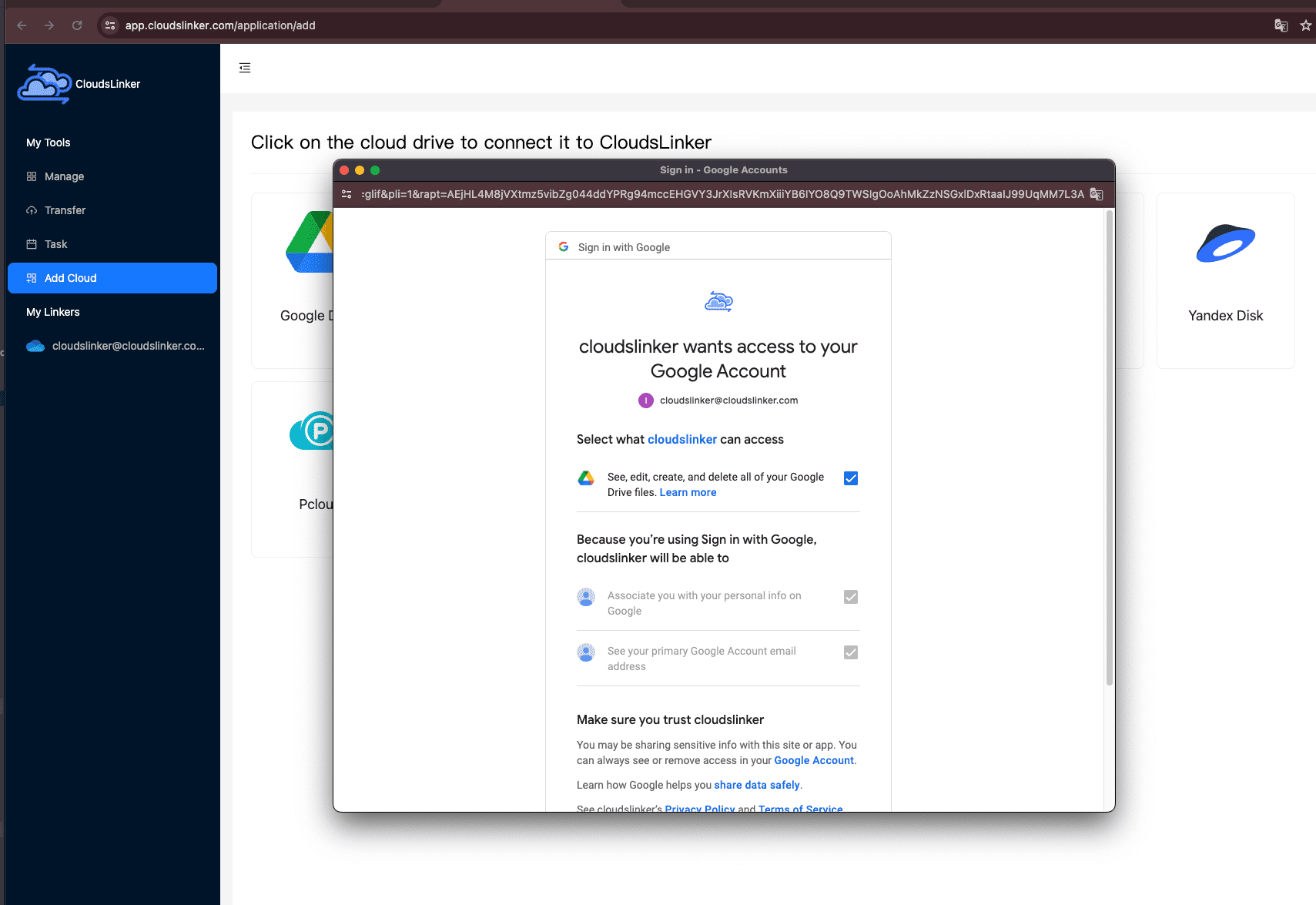
After authorization, your Google Drive will appear as a single cloud source inside CloudsLinker, ready for file selection.
Step 2: Add SharePoint
Next, add SharePoint as the destination. When prompted, enter your SharePoint
site path, for example: /sites/yoursite, then click
Add to begin
authorization.
You’ll be redirected to Microsoft’s login page to approve access.
Once authorization is complete, CloudsLinker will check whether the site is associated with multiple document drives. If more than one drive is available, simply select the drive you want to use. After confirmation, the SharePoint site will be added successfully.

Step 3: Set Up the Transfer Task
Open the Transfer section. Choose Google Drive as the source and select the files or folders you want to move. On the destination side, pick your connected SharePoint drive and choose the target document library or folder.

You can fine-tune the task using filters—exclude file types like .tmp, skip large
files, or only
transfer recently modified data.
This is useful when migrating active projects instead of entire archives.
Step 4: Run, Monitor, and Review
Start the transfer and monitor progress in the Task List. You’ll see real-time status, transfer speed, and estimated completion time. Tasks can be paused, resumed, or retried if needed.
After completion, a summary report shows which files were transferred successfully and highlights any issues. Your Google Drive data will now be available in SharePoint, ready for team collaboration.
For users who want a hands-off, browser-based solution that doesn’t rely on local bandwidth, CloudsLinker offers one of the most efficient ways to move data from Google Drive to SharePoint.
Need to Transfer Between Other Cloud Platforms?
In addition to SharePoint, CloudsLinker supports OneDrive, Box, MEGA, WebDAV, and more. All transfers run cloud-to-cloud, so you can close your browser and let the task finish in the background.
Comparing the 4 Ways to Transfer from Google Drive to SharePoint
There’s no single “one-size-fits-all” solution for moving data from Google Drive to Microsoft SharePoint. The best method depends on data volume, how much manual control you want, and whether you prefer simplicity or automation. The comparison below highlights the practical differences between the four approaches.
| Method | Ease of Use | Speed | Best For | Uses Local Bandwidth | Skill Level |
|---|---|---|---|---|---|
| Web Browser (Manual) | ★★★★★ | ★★★☆☆ | Small, one-time transfers | Yes | Beginner |
| Google Takeout + Manual Upload | ★★★★☆ | ★★☆☆☆ | Offline backups, selective uploads | Yes | Beginner |
| Rclone (Command Line) | ★★☆☆☆ | ★★★★★ | Large datasets, automation, scripting | Yes / No (cloud-to-cloud possible) | Advanced |
| CloudsLinker (Cloud-Based) | ★★★★★ | ★★★★★ | Bulk migrations, recurring syncs | No | Beginner |
For a few folders or documents, manual methods work fine. If you need repeatable workflows or full control, Rclone is extremely powerful. For most teams migrating large libraries into SharePoint without slowing down local networks, CloudsLinker is often the most efficient choice since everything runs server-side.
Transferring files into SharePoint is usually straightforward, but some preparation can prevent common issues—especially with large or structured datasets:
- Check File Availability: Files marked as “online only” in Google Drive must be fully downloaded or exported before manual uploads will work correctly.
- Understand SharePoint Structure: SharePoint uses sites, document libraries, and folders. Decide where data should live before uploading to avoid reorganization later.
- Watch Network Limits: Browser uploads rely on your local connection. For slow or unstable networks, a cloud-based option like CloudsLinker avoids interruptions.
- File Size Considerations: SharePoint supports files up to 250 GB, but tenant settings may vary. Check limits in advance for large archives.
- Permissions Matter: Make sure your Microsoft 365 account has write access to the target site and library before starting the transfer.
- Plan for Scale: For hundreds of gigabytes or ongoing sync needs, look for features like retry handling, progress logs, and scheduling.
A bit of planning upfront makes a noticeable difference. Whether you’re moving a few shared folders or an entire Drive archive, understanding SharePoint’s structure and limits ensures a smoother transition.
Frequently Asked Questions
Step-by-Step Video: Transfer Google Drive Files to SharePoint
If you prefer learning visually, this video walks you through how to move files from Google Drive to Microsoft SharePoint. You’ll see how to connect both cloud accounts, schedule transfers, filter specific files, and complete the entire migration without needing to download files locally. It’s simple, efficient, and perfect for both personal and team data migration.
Conclusion
There’s no single best way to move data from Google Drive to SharePoint—it depends on your priorities. Browser uploads are fine for small, one-off transfers. Desktop or sync-based approaches work when you need more control over file selection. For technical users managing large datasets, Rclone provides flexibility and script-level power. And if you prefer a hands-off solution that runs entirely online without tying up your computer or bandwidth, CloudsLinker is often the most convenient option. By selecting the right method upfront, you can ensure a smoother transition to SharePoint while keeping your files structured, accessible, and ready for collaboration.
Online Storage Services Supported by CloudsLinker
Transfer data between over 48 cloud services with CloudsLinker

OneDrive

Google Drive

Google Photos

Shared Drive

OneDrive for Business

Dropbox

Box

Mega

pCloud

Yandex

ProtonDrive

AWS

GCS

iDrive

Storj

DigitalOcean

Wasabi

1fichier

PikPak

TeleBox

OpenDrive

Backblaze B2

Fastmail file

SharePoint

Nextcloud

ownCloud

Premiumize me

HiDrive

Put.io

Sugar Sync

Jottacloud

Seafile

Ftp

SFtp

NAS

WebDav

4shared

Icedrive

Cloudflare R2

Scaleway

Doi

iCloud Drive

iCloud Photos

FileLU

Zoho WorkDrive

Telia Cloud / Sky

Drime

Filen
Didn' t find your cloud service? Be free to contact: [email protected]
Further Reading
Effortless FTP connect to google drive: Transfer Files in 3 Easy Ways
Learn More >
Google Photos to OneDrive: 3 Innovative Transfer Strategies
Learn More >
Google Photos to Proton Drive: 3 Effective Transfer Techniques
Learn More >